CATEGORIES

  • Acupuncture
  • Allied
  • Alternative Health
  • Ambulance Services
  • Anaesthetists
  • Animal Health
  • Aquatic Therapist
  • Aromatherapy
  • Audiometric
  • Ayurveda Practitioner
  • Biokineticist
  • Cardiac & Thoracic Surgeon
  • Cardiologists
  • Chiropractors
  • General Clinics
  • Government Clinics
  • Private Clinics
  • Specialist
  • Dental Surgeons
  • Dentist
  • Dermatologists
  • Dieticians
  • Ear Nose & Throat Surgeons
  • Emergency Medicines
  • Emergency Services
  • Gastroenterologists
  • General Practitioner
  • Gynaecologist
  • Health & Beauty
  • Health Insurance
  • Healthcare Suppliers
  • Hearing Aids
  • HIV/AIDS
  • Homeopaths
  • Hospital & Clinic Groups
  • Hospitals
  • Hospital Specialist
  • Managed Health Care
  • Massage Therapists
  • Medical Aid Schemes
  • Medical Practitioners
  • Medical Publishers
  • Medical Scientists
  • Medical Suppliers
  • Medical Technicians
  • Microbiology
  • Naturopaths
  • Nephrologists
  • Neurologist
  • Neurosurgeons
  • Nuclear Medicine
  • Nurses
  • Occupational Health
  • Occupational Medicine
  • Occupational Therapists
  • Oncology
  • Ophthalmology
  • Optometrists
  • Oral Hygiene
  • Orthodontics
  • Orthopedic
  • Orthotics & Prosthetics
  • Osteopaths
  • Pathologists
  • Pediatricians
  • Pediatrics
  • Periodontics
  • Personal Trainers
  • Pharmaceutical Manufacturers
  • Pharmaceutical Suppliers
  • Pharmacies - Retails
  • Pharmacies - Wholesale
  • Pharmacologists
  • Pharmacotherapy
  • Pharmacy Clinics
  • Pharmacy Groups
  • Physicians
  • Physiotherapy
  • Plastic Surgeons
  • Podiatrists
  • Prosthodontics
  • Psychiatry
  • Psychology
  • Psychometrics
  • Pulmonologists
  • Radiographers
  • Radiologists
  • Radiotherapists
  • Recruitment
  • Reflexology
  • Reproductive Medicine
  • Sexologists
  • Sexuality
  • Social Services
  • Speech
  • Sports Medicine
  • Surgeons
  • Training Institutions
  • Urologists
  • Vascular Surgeons
  • Veterinary Clinics
  • Veterinary surgeons
  • Other
  • Medical Finance
  • Renewable Energy & Back Up Power
  • Auxiliary Services
  • Pest Control
  • Allergies


  • Upcoming Events

    International Day of Action for Women’s Health

    International Day of Action for Women’s Health is observed every year on 28 May to highlight the importance of protecting and advancing women’s health rights around the world. The day serves as a reminder that women’s health is not only a medical issue, but also a human rights, social justice and development issue.

    Across many communities, women still face barriers when trying to access quality healthcare. These challenges may include high medical costs, lack of nearby health services, limited reproductive health education, stigma, delayed diagnosis, and unequal treatment within healthcare systems. For this reason, International Day of Action for Women’s Health calls for stronger awareness, better healthcare access, and policies that place women’s wellbeing at the centre.

    The day also encourages open conversations about key health matters such as maternal health, reproductive health, menstrual health, mental health, cancer screening, contraception, gender-based violence, and the prevention and treatment of chronic illnesses. Early detection, regular check-ups and access to accurate health information can make a major difference in improving outcomes for women of all ages.

    In South Africa and across the world, this special day is an opportunity for healthcare professionals, communities, organisations and policymakers to renew their commitment to women’s health. Every woman deserves access to safe, respectful and affordable healthcare.


    Share this article

    Favorite this

    856

    Latest Medical Articles

    Unusual bleeding during and after pregnancy

    When should pregnant women be concerned? Awareness of the dangers associated with abnormal bleeding during pregnancy and after childbirth can be lifesaving for both women and their babies.

    Dr. Mzuvele Archwell Hlabisa, an obstetrician and gynaecologist at Netcare Kingsway Hospital, emphasizes that while many people are unaware that over a third of pregnant women may experience bleeding for various reasons, it is crucial to determine the exact cause.

    "Although some bleeding is normal in the postpartum period, excessive bleeding can be life-threatening. It is often difficult for women to discern if their bleeding is normal or not, but a good rule of thumb is to have any bleeding during pregnancy checked by a healthcare professional," says Dr. Hlabisa.

    He notes that around 35% of women experience bleeding in the first trimester. "As the pregnancy progresses, the likelihood of bleeding decreases, so it’s reassuring when women reach the mid-trimester, from 13 to 28 weeks of gestation."

    Bleeding could indicate a miscarriage or a threatened miscarriage, and severe pain with bleeding could be related to placental abruption, a serious condition where the placenta prematurely separates from the womb. These conditions require immediate medical assessment.

    Spotting In early pregnancy, some women may experience spotting, known as implantation bleeding, when the embryo implants in the uterine wall. ...Read full article

    Share this article

    Sponsored by:

    Netcare Hospitals

    Favorite this

    2.1k
    VIEW ALL ARTICLES

    Global Medical News

    WHO Warns That Attacks on Healthcare Are Turning Lifesaving Work Into a Deadly Front Line
    World Humanitarian Day on 19 August 2026 is drawing renewed attention to the escalating dangers faced by doctors, nurses, paramedics, ambulance crews and humanitarian workers operating in conflict zones, with the World Health Organization warning that attacks on healthcare are increasingly depriving entire communities of lifesaving services when they are needed most. WHO reports that 914 attacks on healthcare have already been recorded in 2026, resulting in 911 deaths and 1,486 injuries, with many incidents concentrated in places including Ukraine, Lebanon, the occupied Palestinian territory and Myanmar. These attacks can involve hospitals, clinics, ambulances, medical personnel and health infrastructure, and their effects extend far beyond the immediate casualties: when a maternity ward closes, a vaccination team is forced to stop working, an ambulance cannot reach the injured or health workers flee an unsafe area, patients with trauma, cancer, diabetes, infectious diseases and pregnancy complications can lose access to essential treatment. WHO defines attacks on healthcare broadly to include violence, threats and obstruction that interfere with the availability or delivery of medical services during emergencies. The organisation is using World Humanitarian Day to honour those who have been killed or injured while delivering care and to reinforce the principle that health workers, patients, medical facilities and transport are protected under international humanitarian law. The consequences of failing to protect them can persist long after a single attack, weakening already fragile health systems, disrupting medicine and vaccine supply chains, increasing pressure on surviving staff and allowing preventable disease and death to rise among civilians. Armed conflict can also drive healthcare workers away from affected regions and contribute to wider outbreaks, malnutrition and the collapse of essential services. This year’s message therefore goes beyond commemorating humanitarian sacrifice: it is a warning that protecting healthcare is itself a critical public-health intervention, because when those who provide care become targets, the health of entire populations is placed at risk.
    2026-08-19 08:51:16

    Small Fish, Big Nutritional Benefits - With a Few Cautions
    Sardines are a highly nutritious source of protein, omega-3 fatty acids, vitamin B12, vitamin D, selenium and calcium, especially when eaten with their soft edible bones, making them beneficial for heart health, brain function, bone strength and muscle maintenance. Their omega-3 content may help support healthy cholesterol and triglyceride levels, and sardines are generally lower in mercury than many larger predatory fish, which makes them a safer seafood choice for regular consumption. However, canned sardines can be high in sodium, which may be a concern for people with high blood pressure or kidney disease, and sardines preserved in oil can contain more calories than those packed in water. They are also naturally high in purines, so people with gout or certain uric-acid problems may need to limit them, while anyone with a fish allergy should avoid them completely. Overall, sardines can be an excellent part of a balanced diet when eaten in moderate portions, particularly when choosing lower-sodium varieties.
    2026-08-19 08:50:15

    Wits Turns the Simulation Lab Into a Safe Testing Ground for High-Stakes Clinical Care
    The University of the Witwatersrand is strengthening hands-on medical education on 19 August 2026 with a dedicated Simulation Design for High-Fidelity Clinical Scenarios programme at its Parktown Health Sciences Campus in Johannesburg, giving healthcare educators and clinicians an opportunity to transform real-world clinical experience into realistic, controlled learning exercises. Hosted in the Faculty of Health Sciences Simulation Lab, the programme focuses on the design of immersive scenarios that can reproduce the pressure, uncertainty and teamwork demands of complex medical situations without placing actual patients at risk. High-fidelity simulation can allow trainees to practise responses to emergencies such as cardiac arrest, respiratory failure, obstetric crises, trauma and sudden deterioration while educators observe communication, clinical reasoning, procedural skills and coordination within multidisciplinary teams. Wits describes the session as an opportunity for participants to turn clinical expertise into immersive learning experiences, reflecting a broader shift in health-professions education towards active, scenario-based training rather than relying solely on lectures or bedside exposure. The approach is particularly valuable because rare but life-threatening events may not occur frequently enough during conventional training for every student or healthcare professional to gain sufficient practical experience, whereas simulation allows scenarios to be repeated, paused and reviewed in a psychologically and physically safer environment. The programme, which begins at 09:00 in the fourth-floor Simulation Lab at the Parktown campus, forms part of Wits’ wider emphasis on preparing health professionals for real-world practice and is followed later in August by training specifically examining the difference between feedback and debriefing in simulation-based education. By improving how clinical scenarios are designed and taught, the initiative aims to strengthen not only technical competence but also decision-making, teamwork and communication — skills that can become critical when seconds matter and patient safety depends on an entire clinical team responding effectively.
    2026-08-19 08:49:24

    A Nutritional Powerhouse With a Few Cautions
    Pumpkin is a nutrient-rich, low-calorie food that provides beta-carotene, which the body converts to vitamin A to support healthy vision, immune function and skin health, while also supplying fibre, potassium and vitamin C that can support digestion, heart health and overall nutrition. Its fibre content may help with fullness and steadier blood-sugar control when eaten as part of a balanced meal. However, pumpkin-based foods are not always equally healthy: sweetened pumpkin pies, desserts, flavoured drinks and canned pumpkin products with added sugar or salt can significantly increase calories, sodium and sugar intake. Very large amounts of pumpkin may also affect blood sugar in people with diabetes depending on portion size and preparation. Overall, plain roasted, steamed or puréed pumpkin is a healthy choice for most people, especially when prepared without excessive sugar, butter or salt.
    2026-08-18 08:37:40

    Hidden Mercury in Skincare Products Raises New Toxicity Alarm
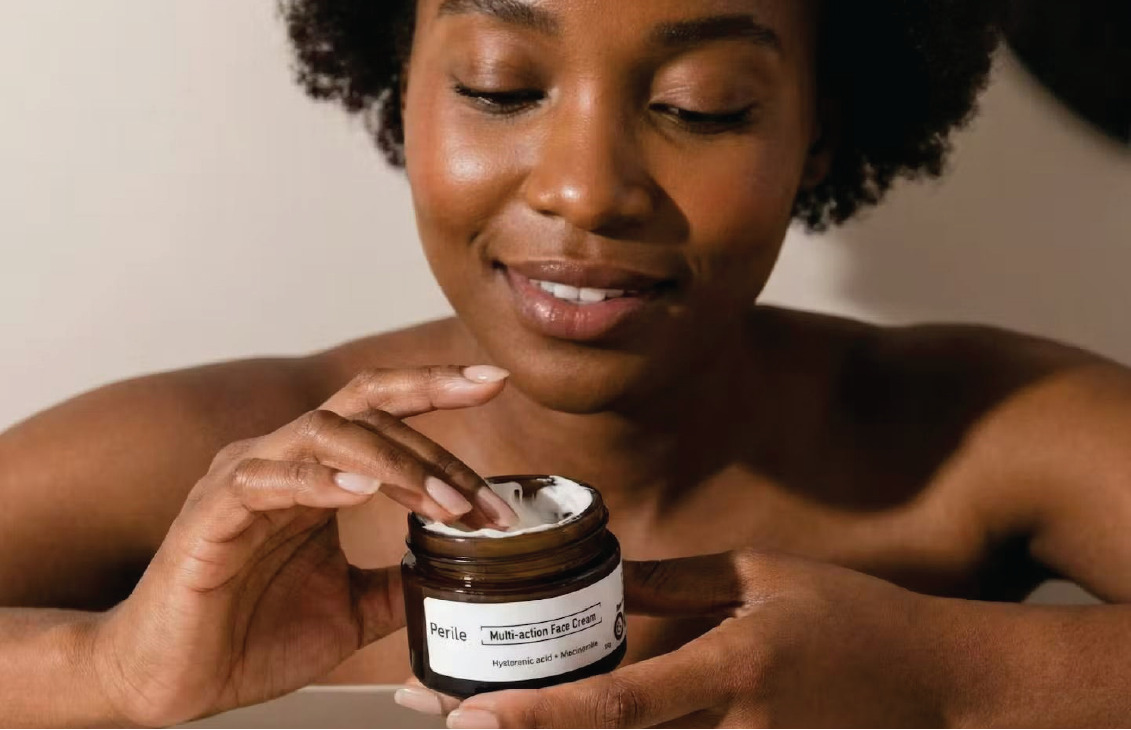
    A new New York City surveillance study has raised serious concerns about toxic mercury exposure from skin-lightening and other skincare products after researchers found the metal in 56 of 197 products tested, or 29%, with 33 products exceeding the US Food and Drug Administration’s permitted cosmetic limit of 1 part per million. Published in the Journal of Exposure Science & Environmental Epidemiology on 15 August 2026, the study analysed products purchased from stores across all five New York City boroughs between 2009 and 2022, particularly in communities where imported skin-lightening products were commonly sold. Some of the findings were extreme: 11 products contained more than 10,000 parts per million of mercury, while the highest concentration reached approximately 27,000 ppm, and every mercury-containing product identified had been manufactured outside the United States. Even more troubling for consumers, only seven product labels listed mercury as an ingredient, meaning people could be repeatedly applying a highly toxic metal without knowing it was present. Mercury is sometimes deliberately added to skin-lightening products because it interferes with melanin production, but it can be absorbed through the skin and may damage the kidneys and nervous system, while prolonged exposure has been associated with symptoms including memory problems, numbness, muscle weakness, fatigue and vision disturbances. Researchers also warned that the danger may extend beyond the person using the product because mercury vapour can contaminate indoor air, clothing and household surfaces, exposing children and other family members; fetuses and infants are considered particularly vulnerable to mercury’s effects on the developing nervous system. The study does not suggest that nearly one-third of all skincare products on the New York market contain mercury, because investigators deliberately targeted products considered more likely to pose a risk, but it provides powerful evidence that dangerously contaminated creams continue to reach consumers despite existing regulations. Researchers argue that stronger international enforcement, ongoing retail surveillance, clearer consumer education and greater awareness among healthcare professionals are needed to identify mercury poisoning earlier and remove hazardous products from the market, turning what may appear to be a cosmetic choice into an important toxicology, environmental-health and health-equity concern.
    2026-08-18 08:37:03

    DNA Methylation Could Add a New Layer of Precision to HPV and Cervical-Cancer Screening
    A pilot study published in Scientific Reports on 18 August 2026 suggests that DNA methylation testing could eventually help doctors distinguish HPV-related cervical abnormalities that are more likely to represent significant precancerous disease from lower-grade lesions that may be less concerning. Researchers analysed cervical tissue from 53 patients with cervical intraepithelial neoplasia, or CIN1–3, using HPV genotyping alongside the GynTect DNA methylation assay, which looks for chemical modifications to human DNA that can alter gene activity without changing the underlying genetic sequence. The study found that methylation-positive results were associated with high-grade squamous intraepithelial lesions, HPV16 infection and higher Ki-67 expression, a marker of increased cell proliferation, while all low-grade lesions with valid methylation results were methylation-negative. These findings are potentially important because HPV infection is extremely common and many infections clear naturally, creating a longstanding challenge for cervical-screening programmes: identifying which HPV-positive patients need closer surveillance or treatment without unnecessarily intervening in those at lower risk. Rather than replacing established methods such as HPV testing, cytology, histopathology or p16 staining, the researchers see methylation analysis as a possible complementary tool that could provide additional biological information about lesion severity and help refine clinical risk stratification. The work is still preliminary, however, and the authors emphasise that the study was exploratory, involved a small cohort and used formalin-fixed, paraffin-embedded tissue rather than routine screening samples, meaning larger studies, control groups and validated testing protocols will be necessary before the approach could be incorporated into everyday cervical-cancer screening. If future research confirms these results, DNA methylation could become part of a more personalised screening strategy in which clinicians look not only for the presence of high-risk HPV, but also for molecular evidence that an infection is driving the cellular changes most likely to progress towards cervical cancer.
    2026-08-18 08:36:08
    VIEW ALL NEWS


    THE SPOTLIGHT


    Advancements in Cancer Treatment: Innovations and Breakthrough
    2024-07-15

    Celebrating 100 Years of Peel's: A Century of Pure Honey Excellence
    2024-05-30

    Premier Verification
    2023-02-08

    Tax Shop
    2023-02-07

    Medrisk
    2022-10-20

    A Complete End-To-End Solution for Healthcare Professionals
    2021-06-24


    Copyright © 2025 Dotcom Africa. All Rights Reserved. Advertising Terms | Terms of Use | Contact | Advertise with us | About Us